

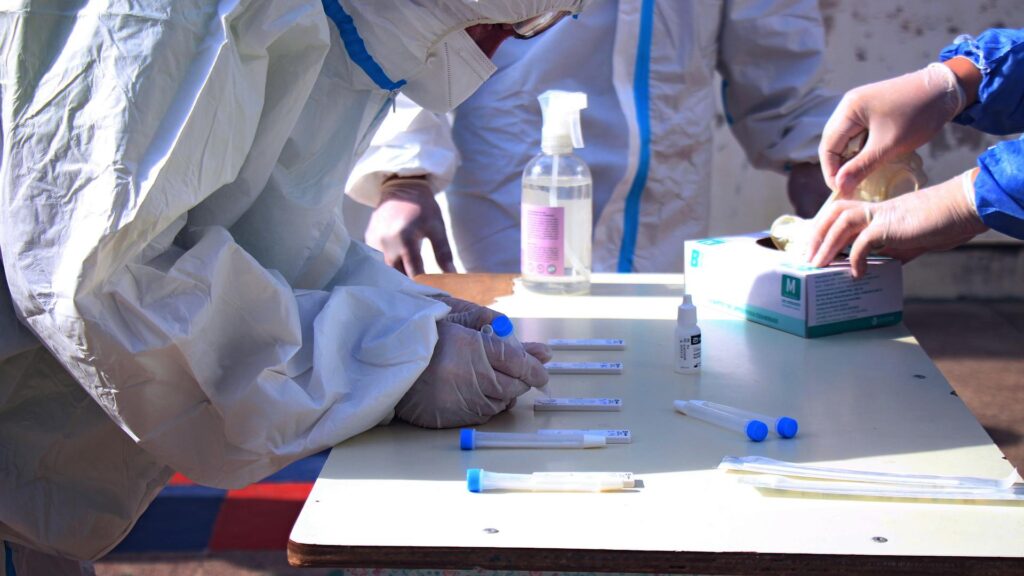
Public schools across Queens are facing increased scrutiny after recent tap water test results raised concerns among parents and community leaders. While many schools remain within state compliance standards, isolated exceedances at certain fixtures have sparked broader conversations about infrastructure, transparency, and independent verification.
For families, the issue is simple: children drink from these fountains every day. For administrators, the challenge is more complex ensuring regulatory compliance, maintaining aging buildings, and communicating technical results in a way that builds trust rather than confusion.
As discussions continue throughout Queens, the focus has shifted from whether testing is happening to how often, how transparently, and whether it goes far enough.
Understanding the Regulatory Framework
All public schools in New York must follow lead testing requirements established by the New York State Department of Health. Regulations require potable water outlets to be tested at least once every three years, with any fixtures exceeding the state’s action level removed from service and remediated.
Official state guidance can be reviewed here:
https://www.health.ny.gov/environmental/water/drinking/lead/
Within New York City, the New York City Department of Education oversees compliance across boroughs, coordinating testing schedules and corrective measures.
On paper, the framework is structured and mandatory. Yet scrutiny arises when parents review results and discover that some fountains or sinks exceeded the allowable threshold before remediation occurred.
Compliance does not always eliminate concern particularly when buildings are decades old.
Why Tap Water Results Trigger Strong Reactions
Lead exposure in children is a serious public health matter. According to the Environmental Protection Agency, no level of lead exposure is considered safe for children. Even low levels can impact cognitive development and behavior.
The EPA’s guidance on reducing lead in school drinking water is available here:
https://www.epa.gov/ground-water-and-drinking-water/3ts-reducing-lead-drinking-water-toolkit
In Queens, many school buildings were constructed before modern lead-free plumbing standards were adopted. Although renovations have occurred over time, isolated legacy components can remain inside walls, beneath sinks, or within older fixtures.
When testing identifies elevated levels at a handful of outlets, families often question whether additional fixtures could also be affected.
The Infrastructure Challenge in Queens
Queens is geographically expansive and architecturally diverse. Schools range from historic early-20th-century buildings to mid-century brick campuses and newer facilities.
Older buildings may contain:
- Brass faucets manufactured before low-lead standards
- Solder joints containing lead
- Aging shutoff valves
- Plumbing segments that allow water stagnation overnight
Lead contamination in schools is typically not a reflection of city water quality at the source. Instead, it often occurs within internal plumbing systems.
That distinction matters, but it does not always calm community concerns.
When parents see numbers above the action level even if only at one outlet scrutiny naturally increases.
Where Scrutiny Is Focused
Recent attention in Queens has centered around several recurring questions:
- Were all potable outlets tested?
- How quickly were families notified?
- Were follow-up tests conducted promptly?
- Is the three-year testing cycle sufficient?
- Should independent labs be involved?
While most schools follow state requirements, some parents argue that minimum compliance may not be enough for aging infrastructure.
For those reviewing the specific standards governing school water testing, summaries and explanations are available here:
https://olympianwatertestingschools.com/regulations/
Understanding how action levels are determined and how remediation is triggered can clarify what test results actually mean.
The Role of Independent Testing
One response gaining attention in Queens is voluntary independent testing beyond the mandated cycle. Independent sampling can expand the number of fixtures tested and provide third-party laboratory documentation.
This approach can serve several purposes:
- Reassure families through neutral verification
- Identify isolated fixtures before routine cycles
- Provide detailed reports in accessible formats
- Strengthen transparency
Testing methodology matters. First-draw samples taken after water sits in pipes overnight often produce higher readings than flushed samples. That method is designed to detect worst-case exposure scenarios.
For schools seeking clarity on sampling procedures and best practices, additional detail can be found here:
https://olympianwatertestingschools.com/testing/
Expanding testing beyond minimum requirements is not an admission of failure; it can be a preventive measure that reduces long-term scrutiny.
Communication: The Deciding Factor
In many Queens schools, the controversy has not centered solely on the numbers themselves but on how those numbers were communicated.
Technical phrases like “parts per billion” and “action level exceedance” can create confusion without context. Some families interpret any exceedance as evidence of systemic contamination, even when the issue is isolated to a single aging fixture.
Schools that have hosted information sessions, shared plain-language summaries, and posted clear remediation timelines have generally experienced less sustained criticism.
For administrators navigating these conversations, practical answers to common questions are available here:
https://olympianwatertestingschools.com/faq/
Clear communication often diffuses speculation.
Balancing Budget Constraints and Preventive Action
Queens public schools operate within defined budget structures. Plumbing upgrades, fixture replacements, and expanded testing require funding allocations.
When isolated fixtures exceed action levels, replacement is typically less costly than full plumbing overhauls. However, if patterns emerge across multiple outlets, larger infrastructure investments may be necessary.
Some parent groups have advocated for:
- Annual voluntary testing
- Mandatory flushing after extended breaks
- Accelerated fixture replacement schedules
- Transparent online reporting dashboards
While these measures exceed minimum compliance standards, they reflect a broader cultural shift toward preventive accountability.
For schools seeking borough-level coordination or structured oversight, local service information is available here:
https://olympianwatertestingschools.com/locations/
Strengthening local monitoring can reduce delays between detection and correction.
The Bigger Picture
Queens is not alone in facing scrutiny over tap water results. School districts across the country have encountered similar challenges as awareness around lead exposure has grown.
The important distinction is that testing is functioning as intended identifying problems before they escalate.
Without regular sampling, aging fixtures could remain in service indefinitely. Detection allows targeted remediation.
The question for Queens schools is not whether testing should occur it already does. The question is whether additional voluntary measures would strengthen public confidence.
For broader insights and case discussions related to school water safety, local perspectives are often explored here:
https://olympianwatertestingschools.com/blog/
Moving Toward Constructive Solutions
Scrutiny, when constructive, can improve systems.
Several Queens schools have already responded by:
- Publishing detailed water maps of tested outlets
- Posting lab reports directly on school websites
- Committing to earlier retesting after remediation
- Replacing older fixtures proactively
These actions demonstrate responsiveness rather than resistance.
Parents, administrators, and public health officials ultimately share the same goal safe drinking water for students and staff.
Conclusion
The heightened attention surrounding tap water results in Queens public schools reflects a broader emphasis on transparency and prevention.
Regulations established by the New York State Department of Health set minimum standards. The Environmental Protection Agency provides federal guidance. Schools conduct required testing and remediate exceedances.
Yet in communities with aging infrastructure, families increasingly expect more than minimum compliance.
Independent verification, clearer communication, and proactive maintenance may represent the next phase of water safety oversight in Queens.
Scrutiny does not automatically indicate crisis. In many cases, it signals engagement parents reviewing reports, asking questions, and advocating for preventive safeguards.
When schools respond with transparency and expanded monitoring, scrutiny can evolve into trust.
Water safety is not a one-time checklist. It is an ongoing responsibility shaped by infrastructure, oversight, and community expectations. In Queens, that conversation is continuing and it is pushing schools toward stronger, more visible accountability.