

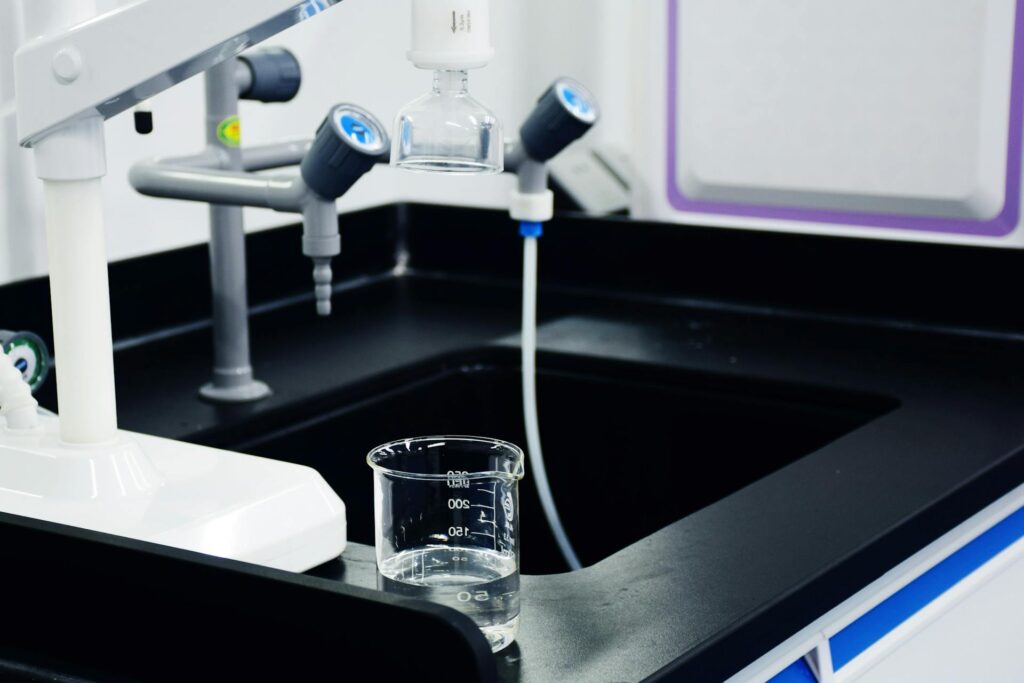
Despite stronger regulations and increased awareness, lead is still appearing in water test results at some older daycare facilities across Queens. The findings are not always widespread, and they often involve isolated fixtures rather than entire plumbing systems. Still, for parents of infants and toddlers, even a single elevated reading is enough to cause serious concern.
The issue is not about panic. It is about infrastructure, maintenance, and verification. Many daycare operators believe they are compliant and in most cases, they are. But compliance does not always mean zero risk, particularly in buildings constructed decades before modern plumbing standards were adopted.
Why Older Buildings Continue to Present Risk
Queens has one of the most architecturally diverse building inventories in New York City. Many daycare centers operate out of converted homes, mixed-use properties, or older commercial buildings. These structures may still contain legacy plumbing components installed before lead restrictions were strengthened.
Lead can enter drinking water through:
- Brass faucets manufactured under older standards
- Lead-based solder connecting copper pipes
- Aging shutoff valves
- Corroded fittings behind walls
- Stagnant branch lines rarely flushed
Even if a daycare has replaced visible fixtures, unseen internal plumbing may still contain older materials.
According to the Environmental Protection Agency, there is no safe level of lead exposure for children. Young children absorb lead more readily than adults, and exposure can impact neurological development and behavior.
The EPA provides detailed guidance on reducing lead in drinking water here:
https://www.epa.gov/ground-water-and-drinking-water
For daycare facilities serving infants and toddlers, preventive measures are especially critical.
How Testing Continues to Reveal Problems
Lead is typically detected through first-draw sampling water collected after sitting in pipes for several hours. This method is required because it captures worst-case exposure conditions. When water stagnates overnight, it has more time to absorb dissolved lead from plumbing materials.
The New York State Department of Health requires childcare facilities to test potable water outlets and remediate any fixtures exceeding the state’s action level.
You can review state-level requirements directly here:
https://www.health.ny.gov/environmental/water/drinking/lead/
In recent cases across Queens, elevated results were often traced back to a single faucet, drinking tap, or kitchen sink rather than systemic building-wide contamination. That distinction is important but it does not minimize the seriousness of exposure risk.
Facilities reviewing how sampling works, including stagnation periods and fixture-level testing, can find further explanation here:
https://olympianwatertestingschools.com/testing/
Understanding methodology helps operators interpret why isolated exceedances occur.
Filtered Systems Are Not a Complete Safeguard
Some daycare directors express surprise when elevated levels appear despite filtration systems being installed. However, filters are not foolproof.
Common reasons filtered systems still fail tests include:
- Expired cartridges
- Incorrect filter certifications
- Improper installation
- Contamination occurring at the faucet itself
- Inconsistent maintenance logs
If a faucet contains older brass components, lead can leach into water at the final delivery point even after filtration. Without routine replacement schedules and documentation, protection can weaken over time.
For facilities reviewing regulatory compliance requirements and action thresholds, summaries are available here:
https://olympianwatertestingschools.com/regulations/
Compliance sets a minimum standard, but aging infrastructure often demands closer oversight.
The Challenge of Converted Spaces
Unlike large public schools built specifically for educational use, many Queens daycares operate in converted properties. Plumbing systems in residential buildings may not have been fully upgraded when the occupancy changed.
Common issues identified in follow-up inspections include:
- Residential-grade fixtures not designed for heavy daily use
- Older shutoff valves beneath sinks
- Hidden branch lines with corrosion buildup
- Low water flow contributing to stagnation
Because toddlers and preschoolers frequently use sinks for drinking, handwashing, and snack preparation, even a small plumbing flaw can increase risk.
For borough-specific support and coordination, local service areas are listed here:
https://olympianwatertestingschools.com/locations/
Strengthening local testing networks reduces response time when elevated readings occur.
What Happens After Lead Is Detected
When a daycare in Queens receives elevated results, required steps typically include:
- Immediate removal of the fixture from service
- Written notification to families and staff
- Investigation into the contamination source
- Replacement or repair of the fixture or plumbing
- Follow-up testing to confirm compliance
In most cases, remediation is straightforward often involving fixture replacement. Once corrected, retesting usually shows compliant levels.
However, communication plays a major role in shaping community reaction.
Technical language in lab reports can be confusing. Parents may assume that contamination is building-wide when it is limited to one outlet.
To help administrators respond effectively, practical answers to common questions are available here:
https://olympianwatertestingschools.com/faq/
Clear communication reduces unnecessary alarm while maintaining transparency.
Why Independent Testing Is Becoming More Common
Because of recurring isolated exceedances, some daycare operators in Queens are choosing to conduct independent testing more frequently than required.
Independent sampling can provide:
- Neutral laboratory documentation
- Broader fixture coverage
- Clear reporting formats
- Defined remediation timelines
While not mandatory beyond state cycles, voluntary testing often strengthens trust with families.
Facilities interested in structured oversight or expanded testing protocols can review options here:
https://olympianwatertestingschools.com/
Proactive monitoring shifts the conversation from reaction to prevention.
The Bigger Picture
It is important to note that New York City’s water supply is widely regarded as high quality at the source. Lead contamination in daycare settings almost always originates within internal plumbing systems not from municipal treatment facilities.
That distinction underscores the role of building maintenance rather than citywide water quality concerns.
Across Queens, most daycare facilities remain compliant. Elevated readings are typically isolated and corrected quickly. However, recurring cases in older buildings highlight a consistent pattern: aging infrastructure requires ongoing vigilance.
For broader discussions on school and childcare water safety trends, related case insights can be found here:
https://olympianwatertestingschools.com/blog/
Sharing lessons learned helps other facilities identify vulnerabilities before they become urgent issues.
A Preventive Mindset for the Future
The persistence of isolated lead findings in older Queens daycares serves as a reminder that water safety is not static.
Fixtures age. Corrosion develops. Maintenance schedules can slip. Even well-intentioned operators may overlook hidden plumbing components.
Preventive measures moving forward may include:
- Annual voluntary testing
- Scheduled fixture replacement cycles
- Strict filter cartridge tracking
- Regular flushing protocols after school breaks
- Transparent online reporting for families
None of these steps imply negligence. They reflect evolving expectations around transparency and child safety.
Conclusion
Lead is still showing up in some older Queens daycare facilities not because regulations are absent, but because infrastructure ages and plumbing systems require continual oversight.
Testing is functioning as intended: identifying isolated risks so they can be corrected. Most cases are resolved quickly, often with a simple fixture replacement and follow-up verification.
For parents, the presence of any elevated reading can feel alarming. For operators, it is a signal to strengthen maintenance and communication.
Ultimately, the solution lies in consistent sampling, proactive upgrades, and open dialogue.
In environments serving the youngest children, even isolated findings deserve attention. Queens daycares that adopt a preventive approach combining compliance, independent verification, and transparent communication are best positioned to maintain both safety and trust.