

Running a daycare is a labor of love that requires constant vigilance. Owners spend their days balancing early childhood education, rigorous safety protocols, and the nutritional needs of infants and toddlers. Often, the kitchen is the heart of the operation, the place where bottles are warmed, formula is mixed, and healthy snacks are prepared. Because daycare owners are so meticulous about cleanliness and food safety, they are frequently the most shocked when a water quality report reveals hidden contaminants lurking in their kitchen taps.
The reality is that “clean-looking” water can be a mask for complex chemical issues. While the municipal water supply might leave the treatment plant in pristine condition, the final few yards of travel through a building’s pipes can change everything. For daycare providers, whose “customers” are at the most vulnerable stage of human development, understanding what is truly coming out of the tap is not just a regulatory hurdle, it is a moral imperative.
The Vulnerability of the Developing Child
Before diving into the technical findings, it is essential to understand why daycare water safety is treated with such gravity. Infants and toddlers consume more water per pound of body weight than adults. Their bodies are also in a state of rapid development, meaning their systems absorb metals and chemicals more efficiently.
According to the World Health Organization, early exposure to heavy metals can have long-lasting effects on cognitive development and physical growth. While an adult might process a small amount of lead or copper with no noticeable effect, that same concentration in an infant’s bottle can be a significant health risk. This is why daycare owners are often surprised; they assume that if the water is safe for them to drink, it is safe for the children in their care. Unfortunately, the math of pediatric health doesn’t always work that way.
The Hidden Culprit: The Kitchen Aerator
One of the most frequent “surprises” we find during a daycare testing visit isn’t even inside the walls, it’s at the very tip of the faucet. The aerator is the small mesh screen that screws onto the end of the tap to regulate flow and prevent splashing. Over time, this screen acts as a trap for tiny particles of lead, copper, and sediment.
In many daycare centers located in older buildings, these aerators can become clogged with “scale” that contains high concentrations of lead. Even if the building’s pipes are relatively clean, water passing through a dirty aerator can pick up these toxic particles. We have seen cases where a kitchen tap tested significantly higher for lead than any other faucet in the building, simply because the kitchen was the most used tap and had accumulated the most debris. This is a prime example of why localized testing is more effective than general building samples.
Why New Fixtures Aren’t Always the Solution
Daycare owners who have recently renovated their kitchens often feel the most secure. They assume that brand-new faucets and “lead-free” plumbing mean the water is perfect. However, the term “lead-free” can be misleading. Prior to recent changes in the regulations, brass fixtures could contain up to 8% lead and still be labeled lead-free. Even today, the allowable limit is not zero.
Furthermore, new copper pipes can actually leach more copper into the water during the first two years of use than older pipes. This is because old pipes eventually develop a protective mineral crust (scale) on the inside that acts as a barrier between the metal and the water. In a brand-new kitchen, that barrier hasn’t formed yet. When we show a daycare owner a report with elevated copper levels in a shiny new kitchen, the surprise is usually followed by a realization that “new” doesn’t always mean “safe.”
Stagnation in the Daycare Kitchen
The schedule of a daycare center creates unique challenges for water quality. Most centers are closed on weekends and during holidays. During these times, water sits motionless in the pipes. This stagnation is the perfect environment for metals to leach from the plumbing into the water.
In many locations, the acidity of the local water supply can accelerate this process. When the first staff member arrives on Monday morning to fill a pot of water for oatmeal or mix a batch of juice, they are often drawing the most contaminated water of the week. Many daycare owners are surprised to learn that their “morning routine” might be the time of highest risk. This is why we emphasize the importance of “first-draw” sampling in our blog posts, it captures the reality of the water being used after a period of rest.
The Biofilm Factor
Kitchen taps in daycares are high-traffic areas. They are used for food prep, hand washing, and cleaning up after art projects. This constant moisture, combined with the organic matter found in a kitchen (like food particles or milk residue), can lead to the development of biofilm inside the spout of the faucet.
Biofilm is a colony of bacteria that can harbor pathogens. While municipal chlorine usually keeps these in check, the complex internal geometry of modern pull-down kitchen sprayers can provide “dead zones” where bacteria can thrive. Finding high heterotrophic plate counts in a kitchen that looks “hospital-clean” is often a major surprise to daycare providers who pride themselves on their sanitization standards.
Navigating the FAQ of Daycare Water Safety
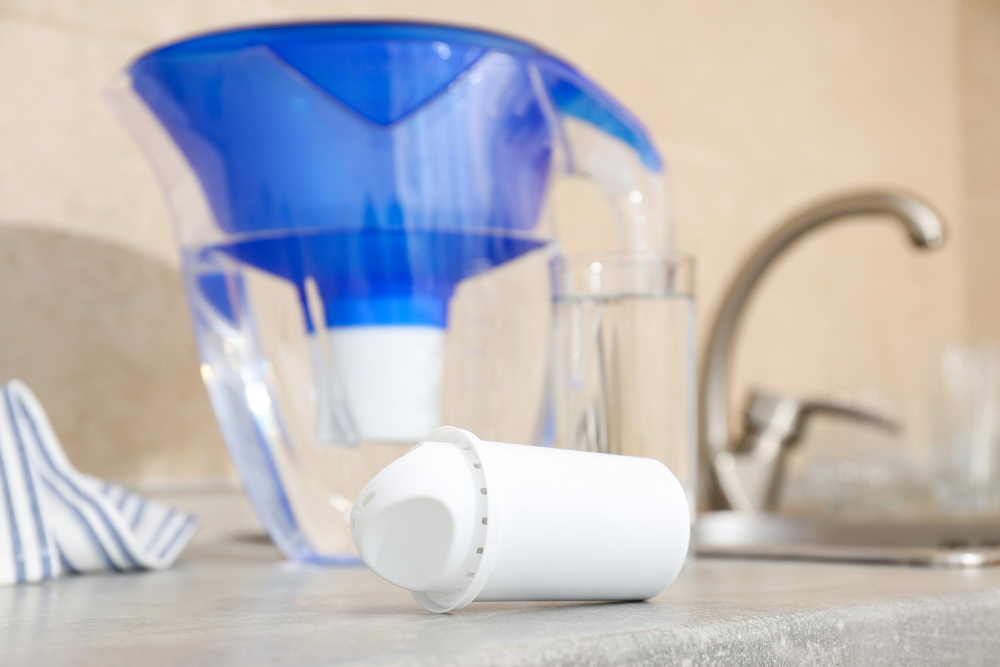
Daycare owners often have similar questions when we present our findings. They want to know if a standard pitcher filter is enough (usually not for heavy metals) or if they should switch to bottled water (which has its own set of regulatory gaps).
We have compiled many of these common concerns in our faq section to help owners navigate the confusion. The most important takeaway is that you cannot fix what you haven’t measured. Once a daycare owner knows exactly what is in their kitchen tap, the “surprise” turns into an actionable plan. Often, the solution is as simple as replacing a specific valve or implementing a more rigorous flushing schedule.
Strengthening the Local Safety Net
Every community has a different story when it comes to water. Some neighborhoods have a high concentration of lead service lines, while others deal with naturally corrosive well water. For a daycare owner, being part of a “local” safety net means understanding the specific environmental stressors of their zip code.
By focusing on the unique challenges of their specific area, owners can better protect their business and the children they serve. We encourage daycare providers to share their findings with parents. While it might seem scary to admit there was an issue, being the proactive owner who tested, found a problem, and fixed it builds far more trust than staying in the dark.
Conclusion: From Surprise to Safety
The kitchen tap should be a source of nourishment, not a source of worry. While daycare owners are often surprised by the complexities of water chemistry, that knowledge is their greatest tool. By moving beyond the assumption that “clear water is clean water” and embracing professional testing, daycare centers can ensure they are providing the safest possible environment for the next generation.
If you are a daycare owner and want to ensure your kitchen is as safe as it looks, don’t wait for a regulatory inspection to find out the truth. You can contact our team today for a comprehensive assessment of your facility.
At Olympian Water Testing, we believe that every child deserves a healthy start, beginning with the very first drop of water in their bottle.