

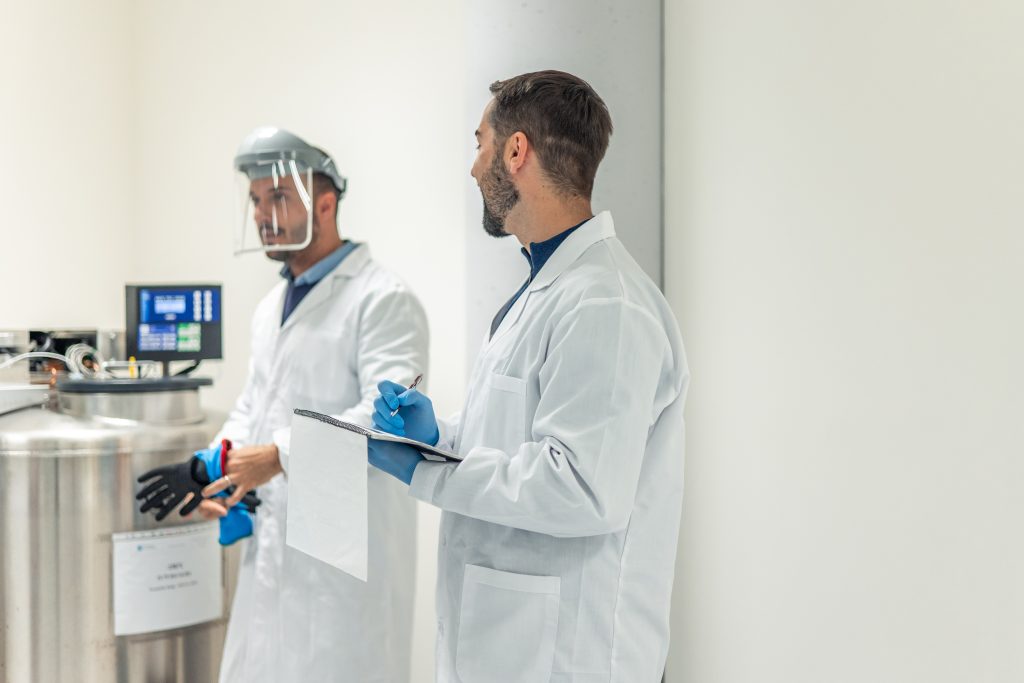
Organized record systems are key to strengthening water testing programs in schools. They allow staff to track schedules, results, and follow-up actions in one place. This approach minimizes errors and ensures the safety of students.
Recent studies from educational data highlight the importance of reliable documentation. It enables each facility to respond quickly to any concerns. By adopting systematic practices, administrators create a safe environment where learning and safety coexist.
Key Takeaways
- Accurate logs keep water testing efforts transparent
- Clear protocols help schools stay ready for unexpected issues
- Staff gain confidence by following organized steps
- Schedules and results remain accessible for fast reference
- Consistent recordkeeping protects student health
Understanding the Importance of School Recordkeeping
Keeping detailed records of test results and remediation actions boosts transparency. Schools dealing with a lot of enrollment and compliance data can use the same systems for water quality tracking. This organized documentation is a key defense for public health.
Principals and district officials rely on consistent records for making decisions about educational water management. This effort reassures families that their children are in safe environments. By tracking sample dates, lab results, and follow-up actions, schools can lower liability and build trust.
| Recordkeeping Aspect | Benefit | Practical Example |
| Data Collection | Immediate Access | Online logs for pH levels |
| Regulatory Compliance | Reduced Liability | Proof of corrective measures |
| Trend Analysis | Targeted Actions | Identifying recurring issues |
Key Federal and State Regulations for Safe Drinking Water
Public institutions adhere to Environmental Protection Agency standards. Federal policies mandate regular testing for contaminants like lead. They also require accurate logs of each test result. This approach minimizes health risks and boosts trust in school water systems.
States impose their own mandates to ensure safe drinking water compliance. These mandates may extend documentation periods or require additional sampling points. Non-compliance can result in corrective action plans or penalties. School administrators often assign staff to monitor progress and keep officials updated.
Some key regulations include:
- Required testing intervals for lead and microbial levels.
- Procedures for reporting test outcomes to health authorities.
- Established protocols for prompt action if contamination appears.
Legal frameworks differ, yet all aim to ensure safe drinking water in schools. Schools safeguard students by documenting routine checks and filing official forms consistently.
| Oversight | Primary Focus |
| EPA | Sets national testing standards |
| State Departments | Impose additional recordkeeping rules |
Common Pitfalls in Educational Water Management
Administrators aim to ensure faucets and fountains are safe, yet procedural gaps can undermine the entire campus. A robust strategy requires constant oversight and meticulous record-keeping. Effective school water monitoring is key, tracking test results, identifying hazards, and organizing maintenance tasks.
Inconsistent Testing Schedules
Some facilities fail to adhere to regular testing schedules, creating blind spots that can hide contamination. Proactive scheduling helps identify issues early, preventing unexpected surprises. Digital reminders aid in maintaining consistent intervals, simplifying each testing cycle.
Incomplete Data Recording
Missing or incomplete logs can confuse caretakers, who rely on past data to plan repairs or budget upgrades. Every result is critical, from minor adjustments to major findings. Secure systems that track records in real-time ensure data accuracy, supporting ongoing school water monitoring efforts.
Lack of Maintenance Follow-Up
Problems persist when repairs are delayed or overlooked, posing health risks that can escalate over time. Strong follow-up plans are essential, confirming each fix is scheduled, tracked, and verified. This reinforces a safe environment for everyone on campus.
Implementing a Digital Recordkeeping System
Transitioning from paper logs to cloud-based solutions empowers education leaders to manage water testing records more effectively. This shift mirrors the efficiency seen in childcare software, where routine tasks are automated and data tracking is seamless. Users benefit from saving time by scheduling inspections online and storing critical files in one place.
Schools gain from real-time collaboration across departments. Test result updates are immediate, reducing miscommunication and missing entries. Digital recordkeeping serves as a central hub, connecting maintenance data with attendance or student safety systems. Administrators can monitor compliance deadlines and address issues promptly.
Many software platforms offer features that remind staff about upcoming maintenance events. This approach reduces paperwork and minimizes record errors. By adopting digital recordkeeping, schools create a streamlined workflow. This supports clear communication with families and ensures compliance with local water quality and safety standards.
Benefits of Real-Time Monitoring
School administrators face significant challenges in maintaining water systems. Access to real-time water data is transformative, boosting confidence among staff and families.
Early Detection of Contamination
Real-time water data identifies contamination threats early, preventing escalation. Quick detection allows for targeted problem-solving, fostering trust in the educational community.
Automated Alerts and Notifications
Digital monitors send alerts when contamination levels approach critical thresholds. These alerts via text and email prompt immediate action. This proactive approach enhances daily operations and ensures student safety.
Leaders often use a mix of sensors and user-friendly dashboards. The table below outlines key metrics tracked by modern systems:
| Metric | Purpose |
| pH Levels | Maintains balanced acidity for safety |
| Lead Levels | Identifies harmful metal accumulation |
| Chlorine Residual | Confirms ongoing disinfection |
Crucial Steps for Effective Water Testing
Maintaining safe drinking water requires systematic evaluations to uncover hidden risks. Regular procedures help schools monitor quality changes and spot concerns early. This approach builds trust among staff and families.
Establishing a Baseline
Creating an initial reference point through baseline testing is beneficial for schools. This foundational measurement helps teams detect unexpected shifts in water chemistry. It also serves as a guide for comparing later samples, ensuring quick responses to any emerging issues.
Utilizing Accredited Labs
Partnering with certified laboratories enhances the accuracy of each sample. Recognized testing providers adhere to strict protocols, delivering verifiable results. Their expert evaluations become a trusted resource, helping school leaders address problems promptly.
Integrating Compliance Reporting with Local Authorities
Many schools aim for a systematic approach that aligns with local regulations. This involves timely data submissions, being ready for on-site evaluations, and addressing any issues promptly. Digital systems are key in producing accurate records and maintaining consistent standards.
Adhering to State Requirements
Education facilities must comply with rules from agencies like the EPA and local health departments. Each has its own set of guidelines for water sampling and documentation. Regular assessments ensure institutions stay updated, protecting public trust.
Documenting Compliance Progress
Compliance reporting requires tracking test results, maintenance logs, and remediation steps. Having accessible archives shows how each hazard is managed. This confirms schools adhere to recommended timelines, reassuring families and district officials.
| Agency | Key Requirement | Update Frequency |
| Local Health Department | Water Sampling Forms | Quarterly |
| State Environmental Board | Facility Audit Reports | Biannual |
| County Administration | Compliance Reporting Documents | On Demand |
Maximizing Transparency for Parents and Stakeholders
Regular communication with families is key to building trust. Administrators should post updates on water test schedules and results. This provides quick insights into any necessary actions. Parents and local organizations feel reassured when they see clear documentation and easy-to-understand charts.
Creating a shared platform for dialogue and questions is essential. Newsletters, social media posts, or parent portals like Blackboard can unify data. They highlight transparency for parents and show that student health is a top priority.
Being committed to transparency for parents gives them evidence-based information on water safety. Constant access to reports lets families track progress and hold schools accountable. This openness strengthens relationships with external stakeholders and boosts confidence in the educational environment.
Leveraging Historical Data to Improve Future Practices
Collecting long-term records allows us to observe changes in pH levels and metal concentrations over time. These patterns guide school leaders in planning maintenance, scheduling tests, and optimizing budgets. A thorough review of trends empowers them to pinpoint risks sooner and protect campus occupants.
Insights from historical data analysis shape decisions by revealing the best intervals for equipment upgrades or adjustments to testing routines. This approach ensures the school’s water quality meets evolving safety rules. Immediate actions become more precise with consistent tracking and validated metrics.
Ongoing improvements often come from fresh perspectives. It’s essential to keep clear documents, study them regularly, and recognize where extra support is needed. The following points highlight key areas of focus:
- Trend Identification – Tracking shifts over multiple testing cycles
- Proactive Budgeting – Allocating funds based on data-driven insights
- Staff Guidance – Tailoring training based on recurring observations
| Focus Area | Key Metric | Outcome |
| Metals Testing | Lead Levels | Safer Drinking Water |
| pH Tracking | Range Over Time | Balanced Water Quality |
| Data Reviews | Frequency of Checks | Improved Compliance |
Enhancing Staff Training for Recordkeeping and Safety
Trained personnel are a school’s greatest asset for reliable data handling. Basic workshops enable employees to use digital tools effectively. They receive clear instructions and practical exercises to track results, note test dates, and verify system functionality.
Frequent sessions enhance confidence in collecting and interpreting water data. This approach boosts accountability and aligns with educational water management goals. It reduces mistakes and stabilizes day-to-day operations.
Structured lessons focus on correct data input and retrieval. Real examples from digital environments highlight the importance of educational water management. Staff who refine their skills are better equipped to prevent issues early and uphold safe practices.
Recommended Staff Training Initiatives:
| Training Method | Focus | Outcome |
| Hands-On Workshops | Software Tutorials | Accurate Data Recording |
| User-Friendly Toolkits | Step-by-Step Guides | Efficient Team Collaboration |
| Regular Webinars | Platform Updates | Ongoing Skill Development |
Creating an Action Plan for Ongoing Maintenance
Developing a clear strategy is key to maintaining stable water systems in educational settings. Administrators ensure quality by crafting a detailed maintenance plan. This plan anticipates equipment needs and tracks data closely. Such a structured approach minimizes downtime, boosting confidence among parents and staff.
Routine Equipment Inspections
Regular inspections catch early signs of corrosion or malfunction. It’s essential to monitor pipes, filters, and storage tanks closely to reduce contamination risks. Schools should have a reliable schedule for visual assessments, meter checks, and quick part replacements.
Scheduled Record Audits
Accurate logs are vital for consistent water testing and repair decisions. Regularly verifying entries ensures that readings match actual findings. This practice streamlines regulatory reporting and enhances transparency for public authorities and families.
| Task | Frequency | Purpose | Part of Maintenance Plan |
| Equipment Check | Monthly | Identify wear or leaks | Yes |
| Record Review | Quarterly | Verify testing data | Yes |
| Filter Replacement | As Needed | Preserve water quality | Yes |
Securing Digital Platforms for Data Integrity
Cloud-based systems provide schools with a practical solution for storing water testing records. Ensuring data integrity is critical, given the sensitive nature of digital recordkeeping for school water monitoring. Encryption protocols and secure servers protect documents from unauthorized access and misuse.
Protecting Sensitive Information
Encryption tools safeguard student and facility information from leaks. Strong passphrases and secure backups further enhance protection. A robust infrastructure ensures testing results are secure, preventing tampering. This approach not only maintains legal compliance but also builds trust among staff.
Implementing Access Controls
Restricted permissions minimize the risk of unauthorized edits or deletions. Two-factor authentication adds an extra layer of security, requiring more than just a password. Administrators can monitor access through event logs, identifying who accessed documents. Quick response strategies are in place to restore data in case of breaches, ensuring digital recordkeeping remains reliable for school water monitoring.
Collaborating with Third-Party Experts for Quality Assurance
Engaging outside experts can significantly enhance a school’s ability to meet water safety standards. Independent consultants, such as environmental engineers or lab professionals, verify testing methods and review results. This approach boosts data reliability and inspires well-informed decisions.
Third-party specialists encourage baseline testing to spot hidden risks early. They offer insight on equipment updates, staff guidance, and evolving standards. Many institutions trust established groups like the Environmental Protection Agency for new ideas that address contamination threats.
“Experts can offer targeted solutions without bias,” said a water safety researcher from the World Health Organization.
- Accredited labs confirm consistent findings
- Specialized teams guide remediation steps
- External reviews enhance credibility
| Partner | Benefit |
| Environmental Consultancy | In-depth evaluations and clear action plans |
| Certified Laboratories | Accurate data collection and detailed analysis |
Driving Long-Term Success in Educational Water Management
Schools enhance their programs by adopting reliable methods and investing in staff development. Digital platforms ensure consistent updates on test results. This allows teams to review and refine procedures regularly. Such a cycle ensures each campus is always ready to meet safe drinking water compliance standards and adapt to new health guidelines in the United States.
Leaders set clear goals by sharing progress with families and local officials. Regular testing demonstrates a commitment to student well-being. It also builds deeper trust in a school’s mission. Staff stay updated on modern recordkeeping and safety audits. This readiness keeps water systems in optimal condition and supports transparent operations.
Every upgrade is a step towards safeguarding all students from contamination risks. In doing so, educational facilities become models of resource stewardship and public responsibility. This lasting record of action inspires others to adopt strong practices. It keeps everyone safe and informed.
FAQ
How does complete recordkeeping enhance student well-being?
Keeping detailed records of water tests, including results and follow-up actions, helps identify risks early. Regularly checking data against EPA standards allows schools to quickly address issues like lead contamination. This ensures student health and boosts confidence among families.
What federal and state mandates should schools consider for safe drinking water?
Schools must adhere to EPA and state regulations. These include testing schedules, contamination limits, and compliance reports. Being audit-ready is essential for maintaining water quality and ensuring student and staff safety.
Why are routine testing schedules critical for water quality?
Regular testing catches pH level changes or contaminants early. It also builds a data set for trend analysis. This proactive approach protects student health.
What are some common pitfalls in educational water management?
Schools often miss testing schedules or fail to record all data. Neglecting maintenance after contamination detection is another mistake. These errors can lead to non-compliance, increased liability, and poor water quality.
Are digital recordkeeping systems better than paper logs?
Yes, digital systems streamline data entry and centralize records. They improve accuracy and integrate with other school tools. This facilitates secure audits and communication.
How does real-time monitoring enhance water management?
Real-time monitoring alerts administrators to contamination issues immediately. This allows for swift action, ensuring student safety.
What is the purpose of establishing a baseline for water testing?
A baseline shows normal water quality parameters. Comparing new data to this baseline quickly identifies anomalies. This enables immediate corrective actions.
How can schools successfully document compliance with local authorities?
Keeping detailed records of each test is key. Digital systems with automated reporting make it easier to meet local ordinances. This ensures consistent adherence during inspections.
Why is transparency about water quality important for parents and stakeholders?
Sharing updates builds trust and shows commitment to safety. Open communication channels reassure parents about water testing protocols.
In what ways can historical data guide future investments in water safety?
Long-term data helps pinpoint problem areas and guides resource allocation. Reviewing data informs decisions on upgrades and training, protecting student health.
How can schools ensure staff are effectively trained in recordkeeping?
Ongoing training and user-friendly tools are essential. Schools should host workshops on digital platforms. This ensures accurate data capture and prompt responses to issues.
What maintenance steps strengthen continuous water safety?
Routine inspections detect wear before issues arise. Regular audits of logs ensure records are up-to-date. This reduces contamination risk and missed actions.
How can educational facilities protect sensitive water testing data on digital platforms?
Use secure encryption, two-factor authentication, and access controls. Regular backups ensure data integrity and availability.
When should schools seek third-party expertise for quality assurance?
Partner with experts for validation or specialized analysis. Independent professionals confirm testing reliability, reinforcing compliance and trust.
What fuels long-term success in educational water management?
Improvements in technology, processes, and staff knowledge are key. Continuous investments in digital tools and practices ensure lasting water safety.